
YOUNG PEOPLE × The Environment agency × ENGINEERS × COMICS × CLIMATE
What happens when young people and the institutions shaping their futures are given the time, trust and creative space to work together differently?
Climate change is transforming the places young people will inherit.
But the institutions responding to it — the organisations designing infrastructure, managing flood risk, shaping environmental policy and preparing communities for what comes next — can feel a long way from young people's everyday lives.
Rising Voices set out to explore what might happen if we shortened that distance.
Developed by Comics Youth with the Environment Agency, Rising Voices brought 10 paid young artists aged 16–25 together with 13 Environment Agency engineers to explore flooding, climate change, engineering and resilience through comics.
It began as a creative collaboration.
But it quickly became an experiment in something bigger: how young people and professionals working inside a major public institution can build relationships, exchange different forms of knowledge and create new ways of understanding complicated problems together.
Nobody was asked to leave their expertise at the door.
Engineers brought technical knowledge and professional experience.
Young people brought creativity, lived experience, questions, knowledge of their communities and ways of seeing the world that don't necessarily appear in technical reports.
Comics Youth created the space in between.
And we started drawing.
WATCH RISING VOICES
Rising Voices was never really about putting young people and engineers into a room and asking them to talk about climate change.
It was about what might become possible when there was something to do together.
Drawing changed the dynamic.
People sat beside one another rather than opposite one another. Conversations happened while hands were busy. Technical ideas could be drawn, questioned, pulled apart, made strange, made funny and reconstructed.
People who might never otherwise have met began to know one another.
The film captures some of those encounters: the making, conversations, fieldwork and relationships behind the finished work.
Film by Mairéad Ruane.
THE CONVERSATIONS BECAME COMICS.
READ RISING VOICE.
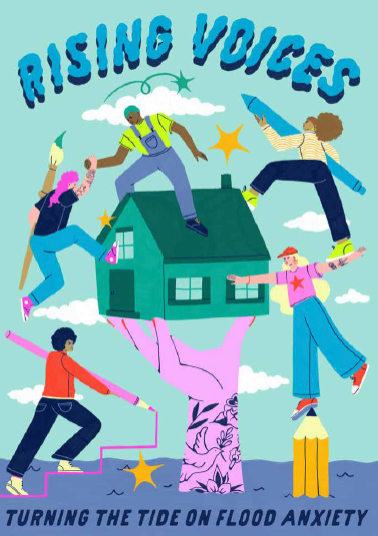
At the heart of Rising Voices is an original anthology created through the collaboration between young artists and Environment Agency engineers. It brings together creative responses to the subjects they explored throughout the project — from flooding, climate change and infrastructure to nature, community, uncertainty, resilience and our relationship with the places we call home.
The anthology is neither a technical guide to flooding nor a record of consultation. Instead, it captures what can emerge when different forms of knowledge are given space to meet. Technical and professional expertise sits alongside lived experience, creative practice, curiosity and young people's perspectives on the world they are inheriting.
The resulting work moves between the personal and the practical, the playful and the serious. Some comics interpret complex ideas through visual storytelling; others approach the subject through character, place, humour or imagination. Some offer answers, while others deliberately leave us with questions.
Together, the collection demonstrates something fundamental to Comics Youth's approach:
COMPLICATED SUBJECTS DON’T ALWAYS NEED TO BE MADE SIMPLER. SOMETIMES PEOPLE NEED MORE WAYS INTO THEM.
THE CONVERSATION IS ALREADY TRAVELLING.
Making the work was only part of Rising Voices.
We were also interested in what happened when the ideas behind it began moving beyond the project itself.
The collaboration opened up wider questions about how institutions engage with young people, how technical knowledge is communicated, whose expertise is valued and what meaningful participation looks like in practice.
Those questions are already beginning to travel into the wider environmental sector.
HOW COMICS ARE HELPING YOUNG PEOPLE ENGAGE WITH FLOOD RISK
Rhiannon Mair Griffiths, Comics Youth × Sara Kenney, Environment Agency
Writing together for the Chartered Institution of Water and Environmental Management (CIWEM), Rhiannon and Sara explore the thinking behind Rising Voices — from climate anxiety and trust to engineering, creative practice and how the environmental sector builds relationships with younger generations.
The fact that the reflection was written together matters.
This wasn't Comics Youth standing outside an institution and telling it how to engage young people.
Nor was it an institution deciding what young people needed.
It was a reflection emerging from a relationship between a youth organisation and a major environmental institution, after young people and professionals had spent time learning and making alongside one another.
The article takes some of that learning into the wider professional conversation.
Because if young people's ideas are going to matter, they cannot only circulate in spaces created specifically for young people.
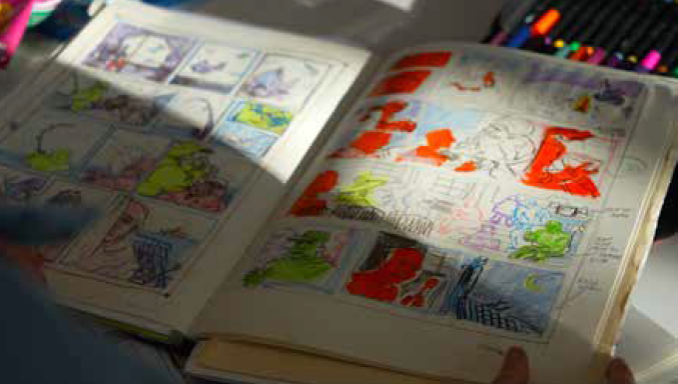
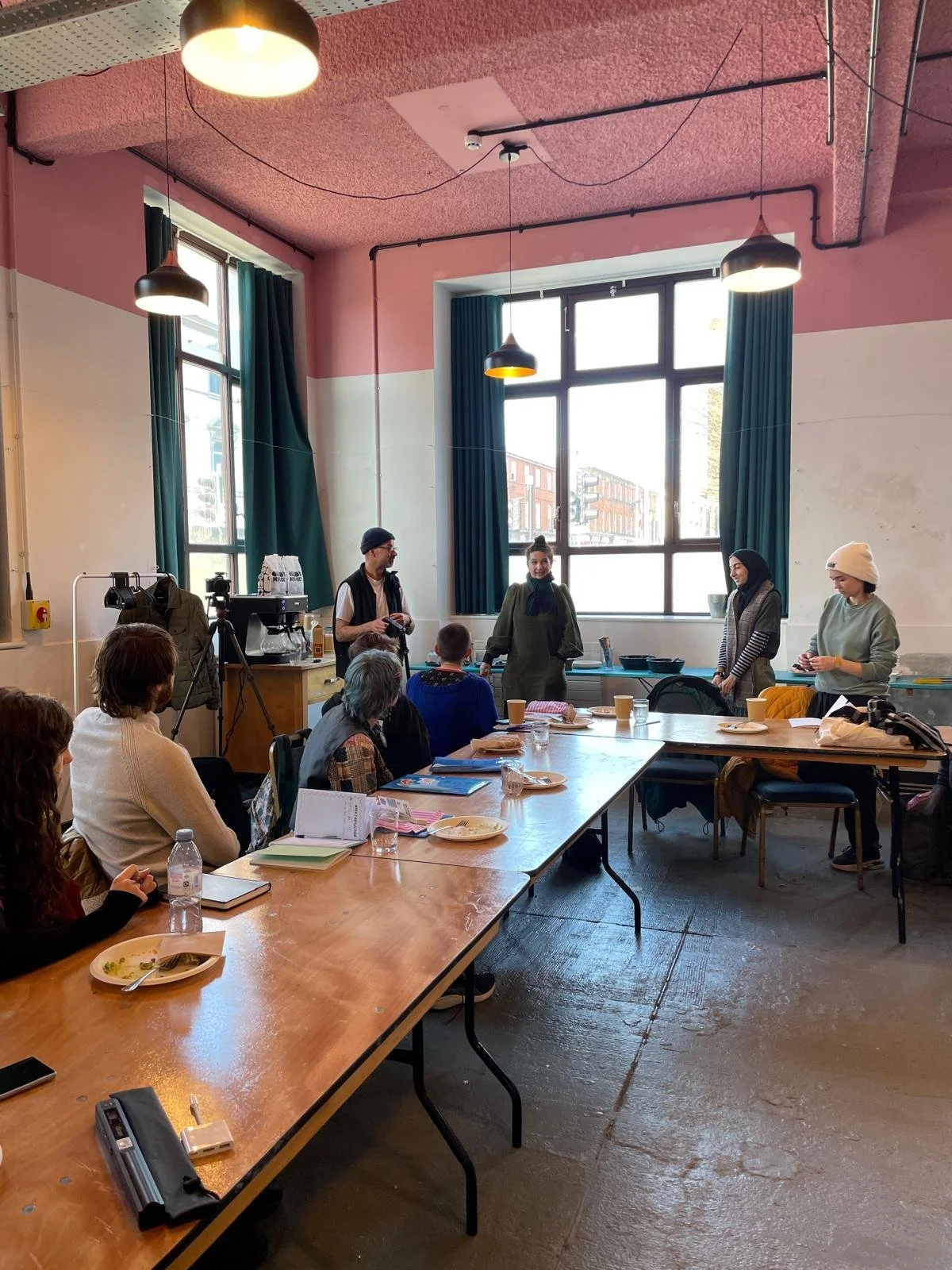
Jules sharing sketchbook work with the group and visiting artists.
THEY NEED ROUTES INTO THE SECTORS, ORGANISAITONS, AND PROFESSIONAL CONVERSATIONS SHAPING WHAT HAPPENS NEXT.
SO WHY DID WE DO IT?
CLIMATE CHANGE ISN’T ONLY A TECHNICAL CHALLENGE.
Flooding can be modelled. Rainfall can be measured. Risk can be mapped. Defences can be engineered. Infrastructure can be designed. All of that expertise matters enormously. But resilience also depends on people. It depends on whether somebody understands the information they've been given.
Whether they trust the organisation giving it to them. Whether they know what the infrastructure around them actually does. Whether information is communicated in a way they can use. Whether communities feel able to ask questions. And whether people believe their experiences and knowledge matter.
For young people growing up with climate change, those questions are particularly urgent. Young people are routinely described as concerned about the climate crisis. But concern doesn't automatically create access.
KNOWING SOMETHING MATTERS IS VERY DIFFERENT FROM KNOWING HOW TO ENTER THE SYSTEMS RESPONDING TO IT.
That gap interested us.
WHY COMICS?
A flood map can show us where water might go. An engineer can explain why a flood defence has been designed in a particular way. A young person can tell us what that place feels like to live in.
A comic can hold all three at once.
That is what makes comics particularly powerful for this work. They can bring technical information, lived experience, place, emotion, imagination and uncertainty onto the same page — without requiring one form of knowledge to replace another.
They also allow people to do more than receive information. Drawing, sequencing and storytelling require us to interpret what we are learning: to decide what matters, make connections, ask questions and communicate an idea in our own way.
That changes the relationship with complex subjects like flooding and climate change. Instead of asking how we make difficult information simple enough for people to understand, comics allow us to ask something more interesting:
How do we create more ways for people to enter a complex conversation — and contribute something of their own once they're there?
A COMIC CAN PUT ALL THREE ON THE SAME PAGE.
Comics can hold different forms of knowledge together. Facts and feelings. Systems and people.
The enormous and the everyday. A diagram and a memory. Something that happened twenty years ago and something that might happen twenty years from now.
For Rising Voices, this made comics more than an output. Drawing created common ground. Technical information could be questioned, pulled apart and reinterpreted. Young people could explore complicated subjects without first needing to learn the language of a professional institution. Engineers could communicate their knowledge in a completely different way. And everybody could begin with a blank page.
WORKING WITH INSTITUTIONS DIFFERENTLY.
This is where Rising Voices became particularly important to Comics Youth.
Many of the young people we work alongside are rarely represented in professional, technical or institutional spaces. It would be easy to understand that primarily as a problem of access: that young people need more confidence, more knowledge of how institutions work, or more opportunities to enter them.
We think the challenge is more structural than that.
Institutions and young people can inhabit very different worlds. They may use different language, recognise different forms of expertise, communicate through different channels and create very different expectations about what participation should look like. Simply opening the door does not remove those differences — and asking young people to become more comfortable navigating existing structures leaves much of the responsibility for change with them.
Rising Voices allowed us to explore a different starting point.
Rather than asking how do we bring young people into an institution?, we began with a different question: what conditions would allow young people and institutional professionals to meet one another differently?
That means creating space outside some of the usual hierarchies and expectations. Space where professional expertise remains valuable without becoming the only expertise in the room. Where young people can contribute through the cultures, creative practices and forms of communication that already belong to them. And where professionals can listen, experiment, make and learn alongside them rather than arriving only as experts, speakers or decision-makers.
For us, this is an important shift in how participation is understood.
The challenge is not simply widening access to existing institutional spaces. It is creating different relationships between institutions and the people whose lives their work affects.
INSTITUTIONS HAVE CULTURES TOO.
Institutions have their own languages, processes, meeting structures, professional norms and expectations about how people should communicate, participate and demonstrate expertise.
Because those ways of working are established, they can easily become invisible — treated as neutral rather than as a culture in their own right.
Young people bring cultures too. They bring communities, language, lived experience, creative practices, ways of communicating and forms of knowledge that may look very different from those recognised within professional spaces.
When those worlds do not easily connect, it is tempting to describe the gap as a problem of youth access, confidence or readiness.
But the distance between those worlds is not something young people alone should be expected to cross.
Meaningful participation requires movement in both directions. It asks not only how young people can navigate institutions, but how institutions can recognise different forms of knowledge, adapt the spaces they create and become capable of meeting young people somewhere in between.
THE BRIDGE HAS TO WORK IN BOTH DIRECTIONS.
That is increasingly how we understand Comics Youth's role.
Our job is not simply to prepare young people to enter institutional spaces that were not designed with them in mind. Nor is it simply to help institutions reach communities they have struggled to engage.
We create spaces in between.
Spaces where young people do not have to become more institution-shaped in order to participate. Where professionals can step outside established ways of communicating and engaging. Where lived experience, creative knowledge and technical expertise can meet without one automatically being positioned above another.
That changes the direction of travel.
Instead of asking only how young people can gain access to institutions, we can also ask how institutions become more accessible to young people; how knowledge moves in both directions; and what each side might need to learn, question or change as a result of the relationship.
Rising Voices gave us an opportunity to test that idea in practice.
Not bringing one world into another, but creating the conditions for something new to exist between them.
WHY COMICS YOUTH?
WE SIT SOMEWHERE INBETWEEN.
![CY Liverbirds[34].jpeg](https://images.squarespace-cdn.com/content/v1/5b6985915ffd20d84f7490f7/1790942918486-MCP3155U2SZZ9QQXTLA6/CY+Liverbirds%5B34%5D.jpeg)
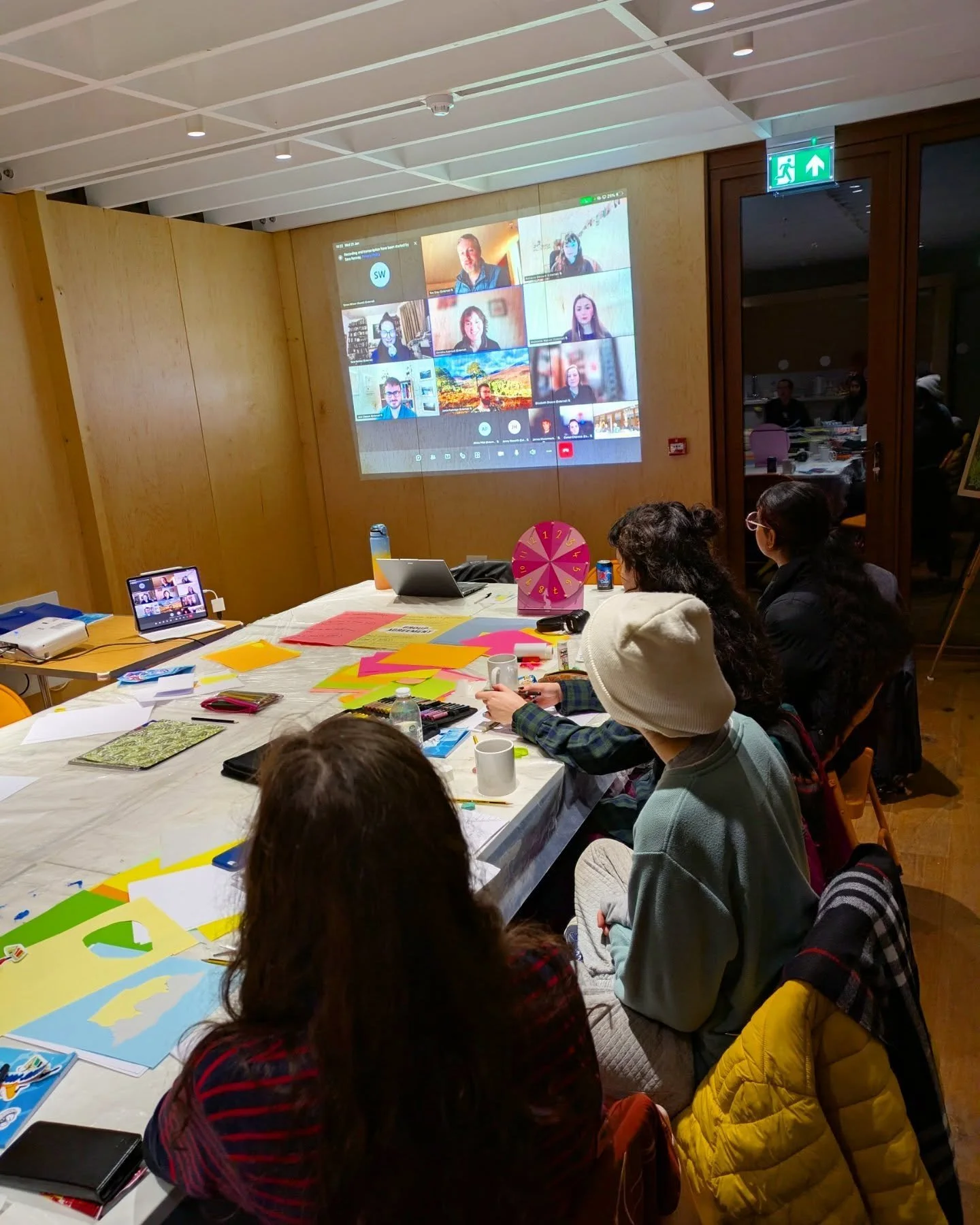
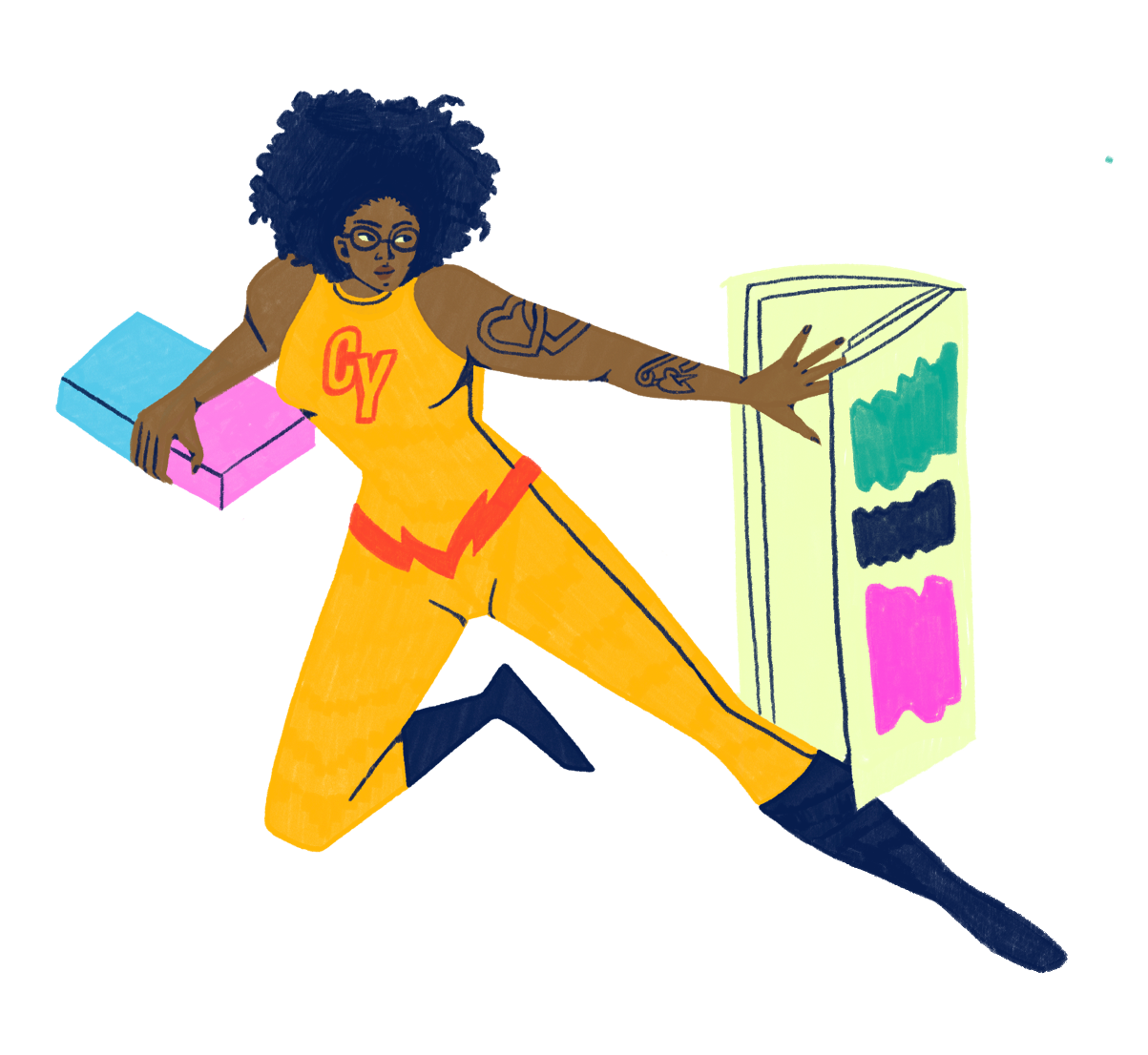
Comics Youth sits at an unusual intersection between youth work, culture and systems change. For more than a decade, we have built relationships with young people through comics, zines, manga, illustration, gaming, storytelling and the alternative cultures in which many of them already feel a sense of belonging. Many of the young people who find us have previously felt excluded from, misunderstood by or simply uninterested in traditional youth provision and formal participation spaces.
That matters when institutions want to build meaningful relationships with young people. Trust cannot be created simply by opening a consultation or inviting people into a professional space. It develops through consistency, cultural understanding, safeguarding, shared experiences and relationships that exist before an institution needs somebody's perspective.
Our role is therefore not to make young people more institution-shaped, nor simply to provide institutions with access to communities they find difficult to reach. It is to create environments in which young people can participate meaningfully as themselves — while enabling institutions to enter those spaces differently too.
In a partnership like Rising Voices, Comics Youth brings trusted relationships, specialist youth-work practice, creative methodology, safeguarding and deep knowledge of the cultures and communities in which young people participate. The Environment Agency brings technical expertise, professional experience and connection to the wider systems responsible for understanding and responding to flood risk and climate change.
Neither organisation could reproduce what the other brings. The value sits in the relationship between them.
That creates something more interesting than traditional outreach: a shared space where professional expertise can meet lived experience, where creative practice can become a common language, and where young people and institutional professionals can build relationships rather than simply exchange information.
For Comics Youth, this is an increasingly important part of our role. We can help build the connective tissue between young people and the institutions shaping their lives — creating trusted routes through which different forms of knowledge can meet, travel and, ultimately, have greater potential to influence what happens next.
Trust cannot always be commissioned at the moment an institution suddenly needs it. It is built over time. And specialist youth organisations can provide infrastructure for relationships that institutions may find difficult to create alone. Rising Voices gave us an opportunity to explore what becomes possible at that intersection.
AND THEN THE QUESTIONS STARTED CHANGING.
As the relationships within Rising Voices developed, the conversation began to move beyond the project's original creative brief. Exploring flooding together raised broader questions about how technical knowledge is communicated, how communities encounter the infrastructure designed to protect them, and whose experiences and perspectives are visible when we talk about climate resilience.
Participants began thinking about why so much complex environmental information remains difficult to access visually; how people can live alongside flood infrastructure without necessarily understanding its purpose; and what might be learned by placing the experiences of people and communities affected by flooding alongside technical and professional knowledge. The project also prompted us to think differently about where engagement happens, and how institutions might reach people who are unlikely to enter traditional consultation or professional spaces.
But a more fundamental question emerged too: what does meaningful participation actually look like when the conversation is over?
Inviting a young person to contribute is one thing. Creating a route through which their knowledge, ideas and experiences can travel is another. If an institution asks a young person what they think, how do they know where that contribution went, who encountered it, whether anyone responded to it — or whether anything happened differently because they were there? That question has stayed with us because it points towards an important distinction at the heart of our learning from Rising Voices.
PARTICIPATION CREATES OPPORTUNITIES TO CONTRIBUTE. INFLUENCE ASKS WHAT HAPPENS TO THAT CONTRIBUTION NEXT.
That question has stayed with us.
Because it points towards a distinction that matters enormously.
FROM PARTICIPATION TO INFLUENCE.
We talk a lot about youth voice.
But having a voice and having influence are not the same thing.
A young person can complete a survey, join a panel, attend a workshop, create something, share their experience or tell an institution exactly what they think. Each can be valuable. Each can create opportunities to be seen, heard and taken seriously.
But none, on its own, tells us whether anything happened differently as a result.
Rising Voices has pushed us to think more carefully about what sits between participation and influence.
For us, there is a journey:
ACCESS — Can young people enter the conversation in ways that work for them?
EXCHANGE — Can different forms of knowledge move in both directions?
CO-CREATION — Can young people and professionals make, question and develop ideas together?
VISIBILITY — Can what emerges travel beyond the people who were directly involved?
INFLUENCE — Can that knowledge reach the relationships, practices, processes and decisions capable of changing what happens next?
Rising Voices has given us strong evidence of the first four. Young people and engineers came together. Knowledge moved in both directions. New work was created collaboratively. And that work has begun to travel into community, cultural and professional spaces.
Influence is the harder part — and we think it is important to be honest about that.
Systems change cannot be measured simply by how many young people participated or whether their voices were represented. The deeper test is whether institutions can retain what they heard, respond to it, create routes for it to travel internally, and show young people what happened next.
That is the journey we are increasingly interested in: not simply creating more youth voice, but building stronger pathways from participation to influence.
BUT IT HAS HELPED US ASK THE QUESTION MUCH MORE PRECISELY.
And that's where we're going next.
THE WORK LEFT THE PAGE.
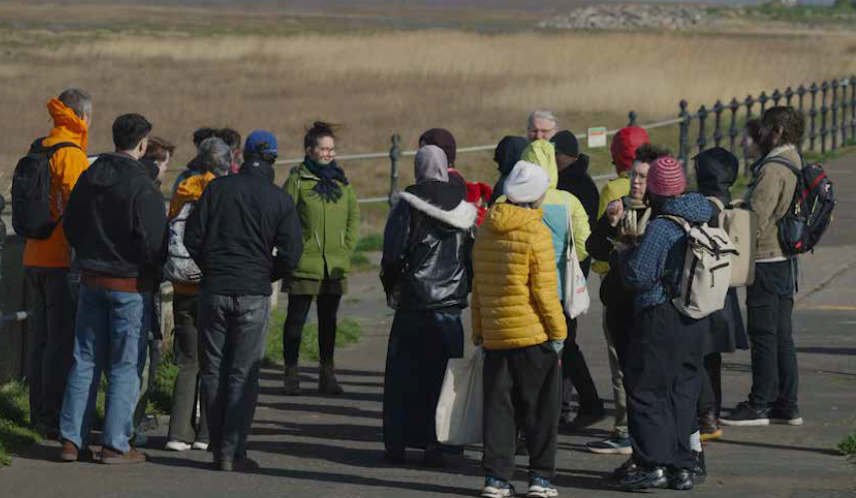
A group shot of young people, engineers and engagement specialists discussing the Hoylake natural flood defence.
The relationships created through Rising Voices began to open up possibilities that hadn't been part of the original brief.
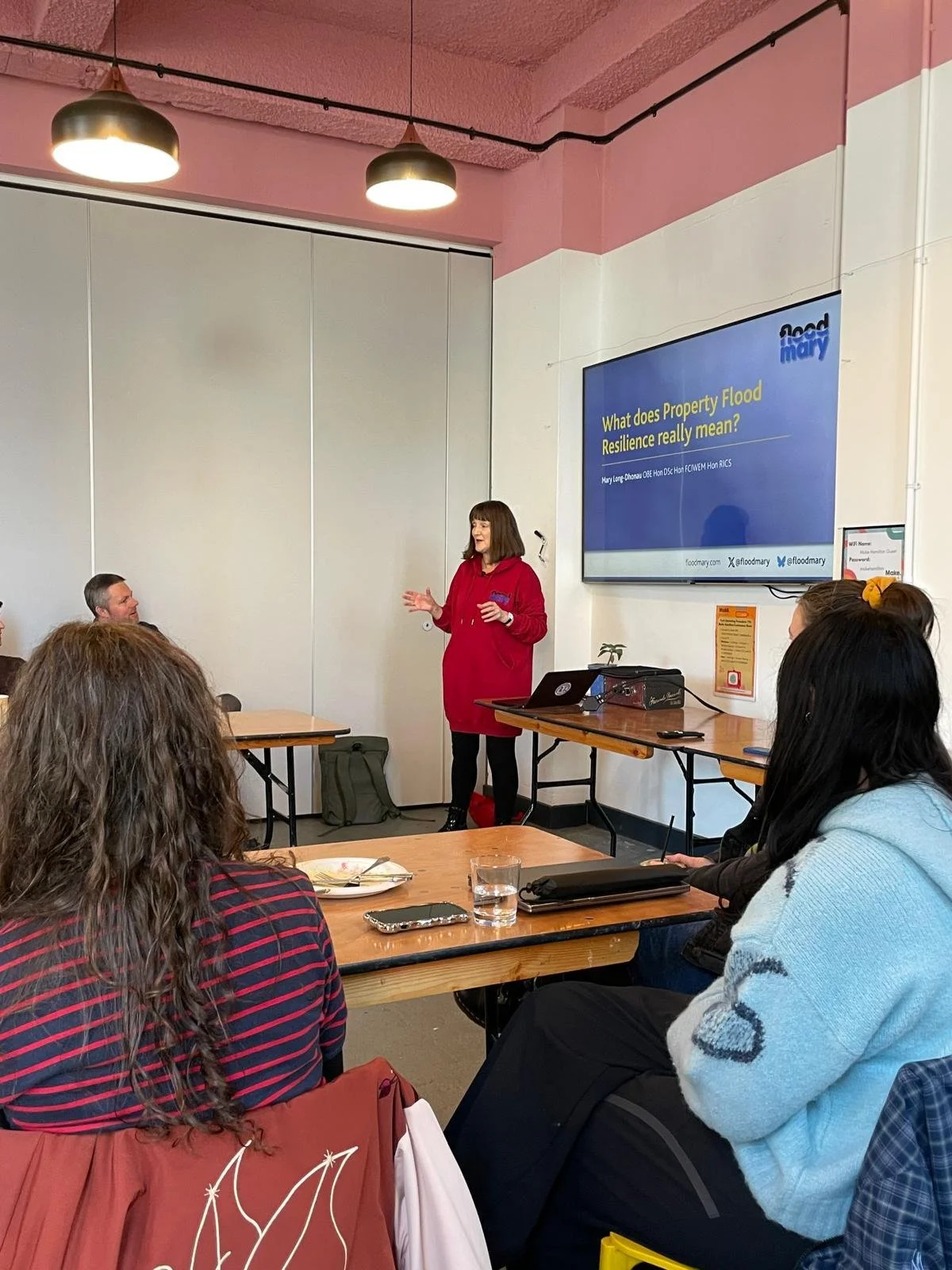
Young people and engineers took the conversation beyond the studio, including fieldwork on the Wirral with Mary Long-Dhonau — Flood Mary. Together, they explored flood resilience in the places where it actually happens: homes, streets and communities, encountering practical approaches to preparedness and seeing how technical decisions translate into everyday life.
Being in those spaces shifted the perspective.
Flood resilience was no longer something encountered primarily through maps, models, diagrams or professional language. It became something physical and lived — connected to people's homes, memories, communities, sense of place and experience of risk.
And that changed the question.
Rather than asking only:
How do we help young people understand flooding?
We began to ask:
WHAT MIGHT NEED TO CHANGE ABOUT THE WAY FLOODING AND RESILIENCE ARE COMMUNICATED IN THE FIRST PLACE?
That distinction matters. Because accessibility is not simply about helping people become better at navigating complex systems and information.
It is also about asking how those systems can communicate differently — and who needs to be involved in designing how that happens.
Flood resilience in the real world
Rising Voices participants joined Mary Long-Dhonau — ‘Flood Mary’ — and Environment Agency colleagues to explore practical ways homes and communities can prepare for flooding, taking the conversation beyond the page and into the places it affects.
WHAT IF THE CONVERSATION CAME TO YOU?
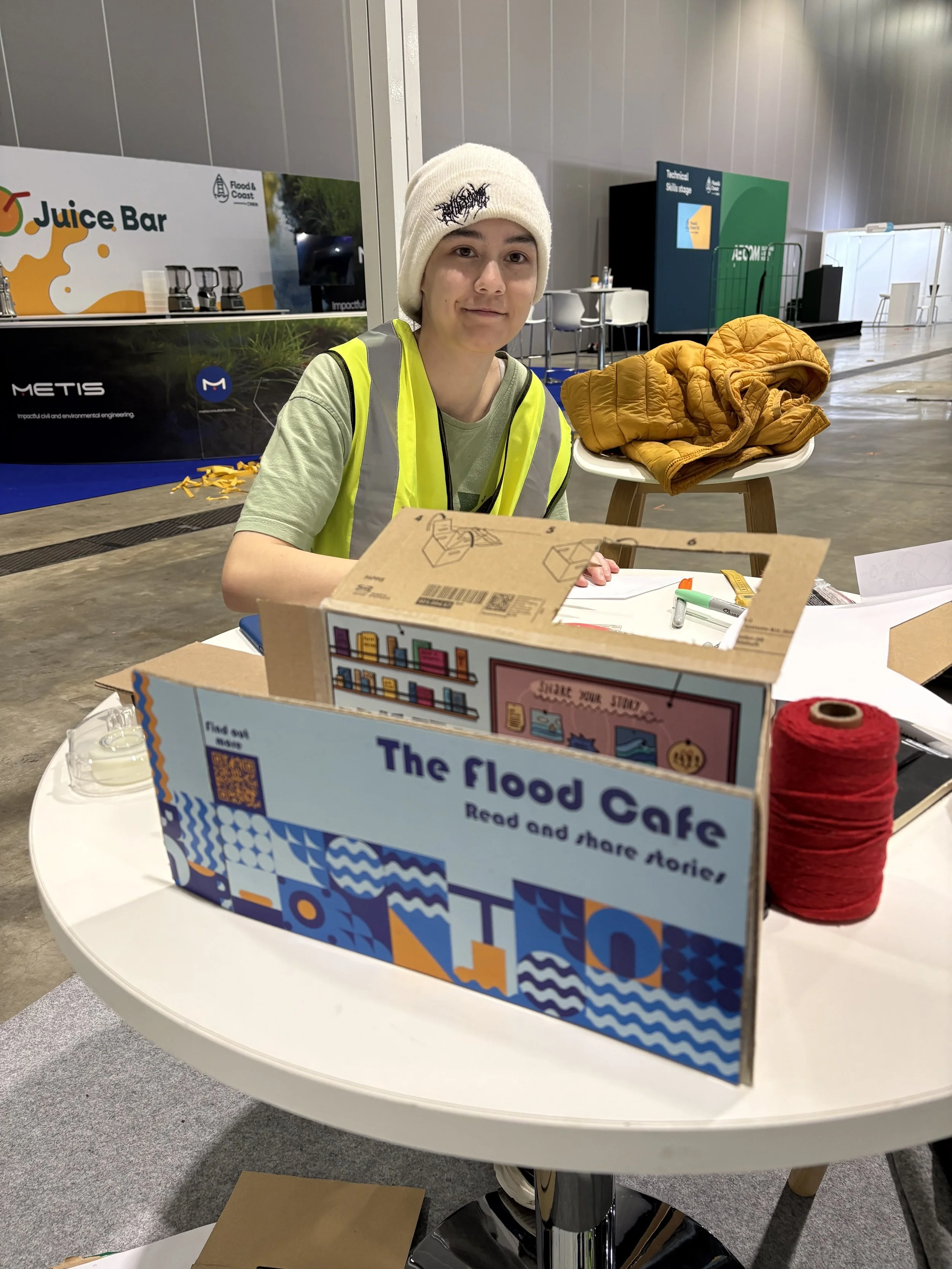
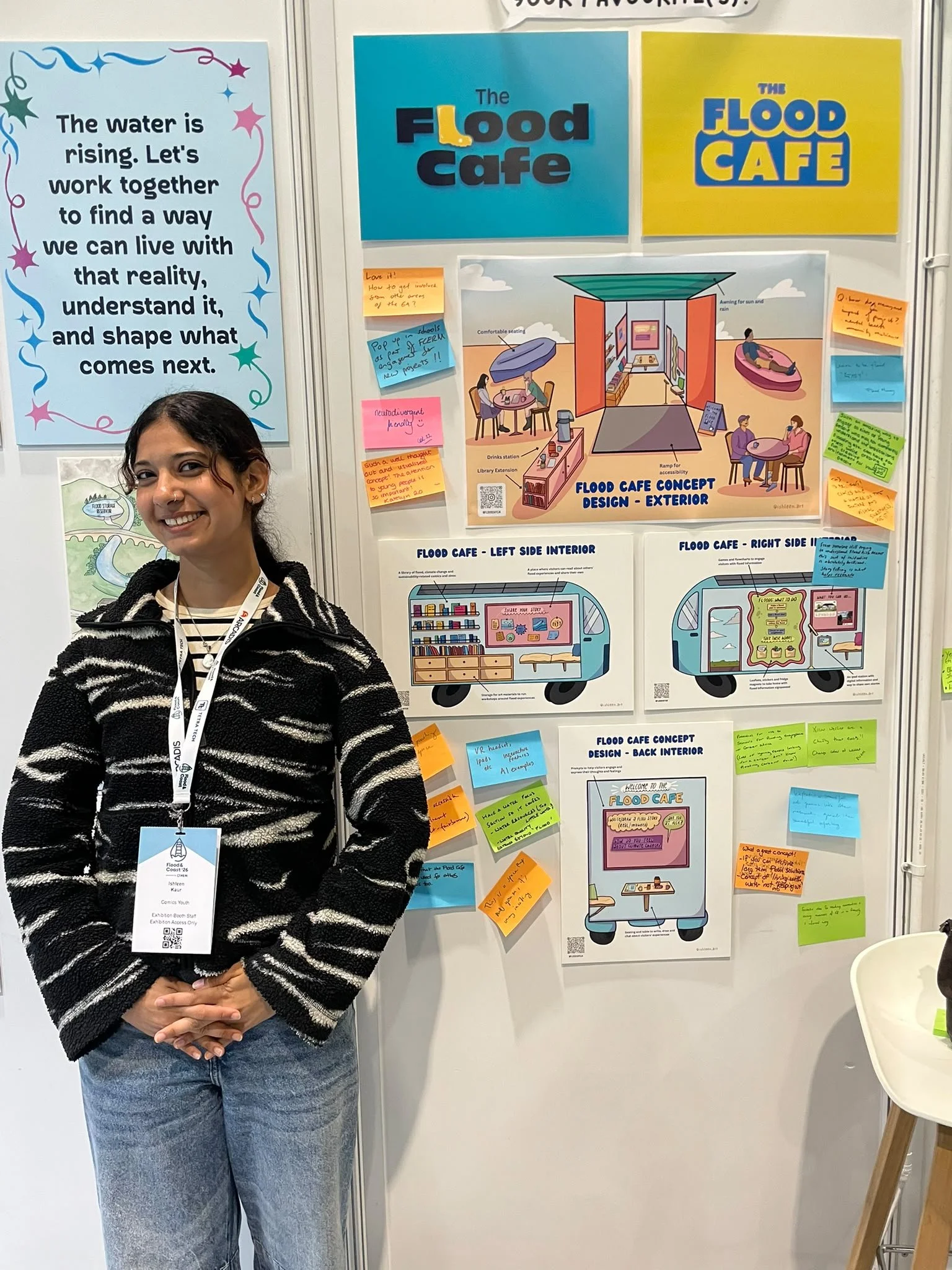
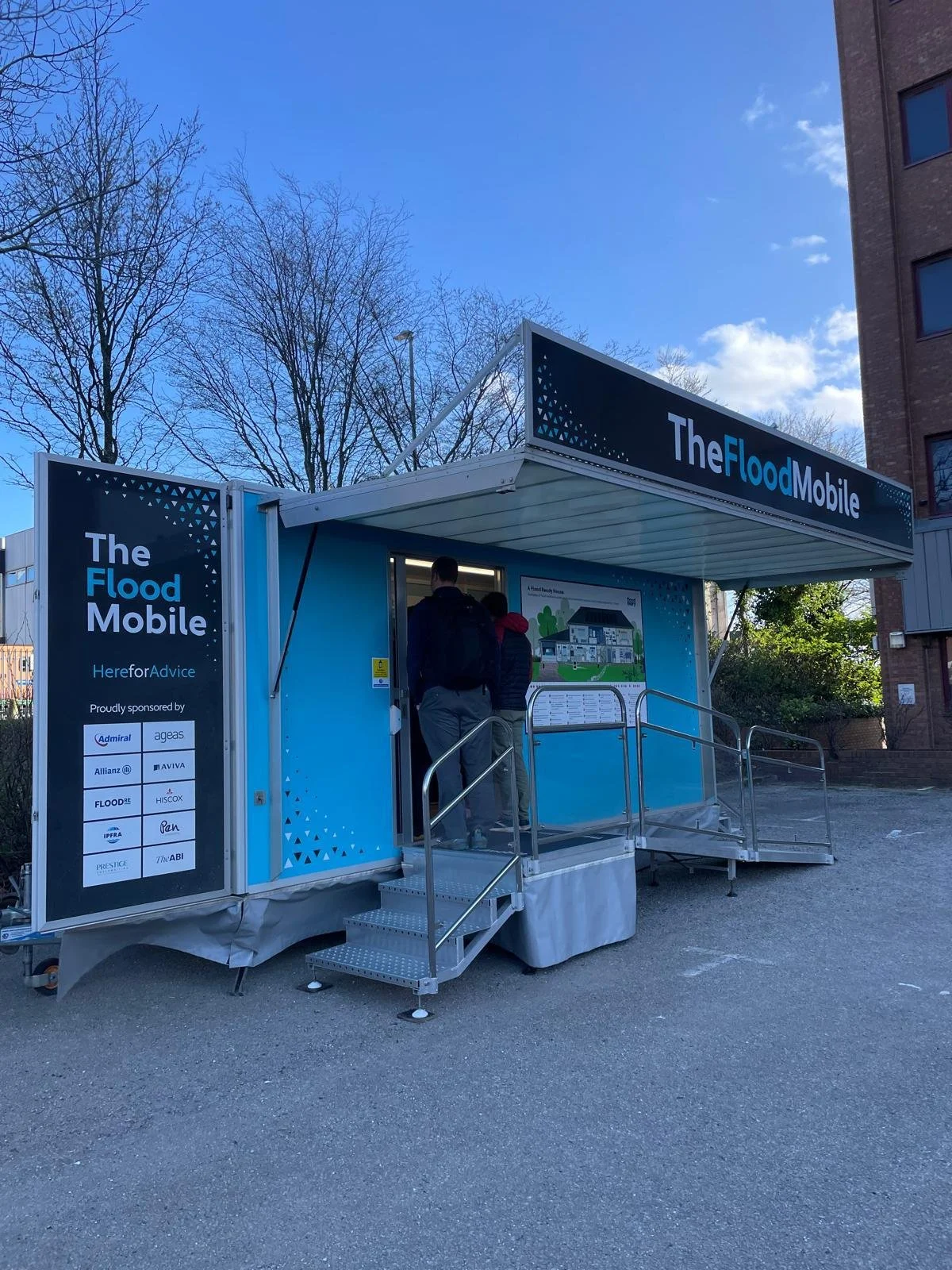
One idea to emerge was a Mobile Flood Café.
Working with Gabi Putnoki of the Graphic Novel Reading Room, Comics Youth artist and youth worker Rosa Kusabbi, young people and Environment Agency colleagues, the project began exploring what a different kind of public engagement could look like.
Could practical flood information travel into communities rather than waiting for communities to find it?
Could comics, illustration and storytelling sit alongside practical resilience advice?
Could something deliberately welcoming and creative reach people who would never consider attending a formal consultation?
Could creative engagement start conversations with people who don't yet think flood risk has anything to do with them?
We don't pretend one idea answers all of those questions.
But the fact those questions emerged tells us something important about the collaboration.
WHEN DIFFERENT PEOPLE WERE GIVEN PERMISSION TO THINK TOGETHER, THEY BEGAN IMAGINING THINGS NONE OF US AHD PRESCRIBED AT THE BEGINNING.
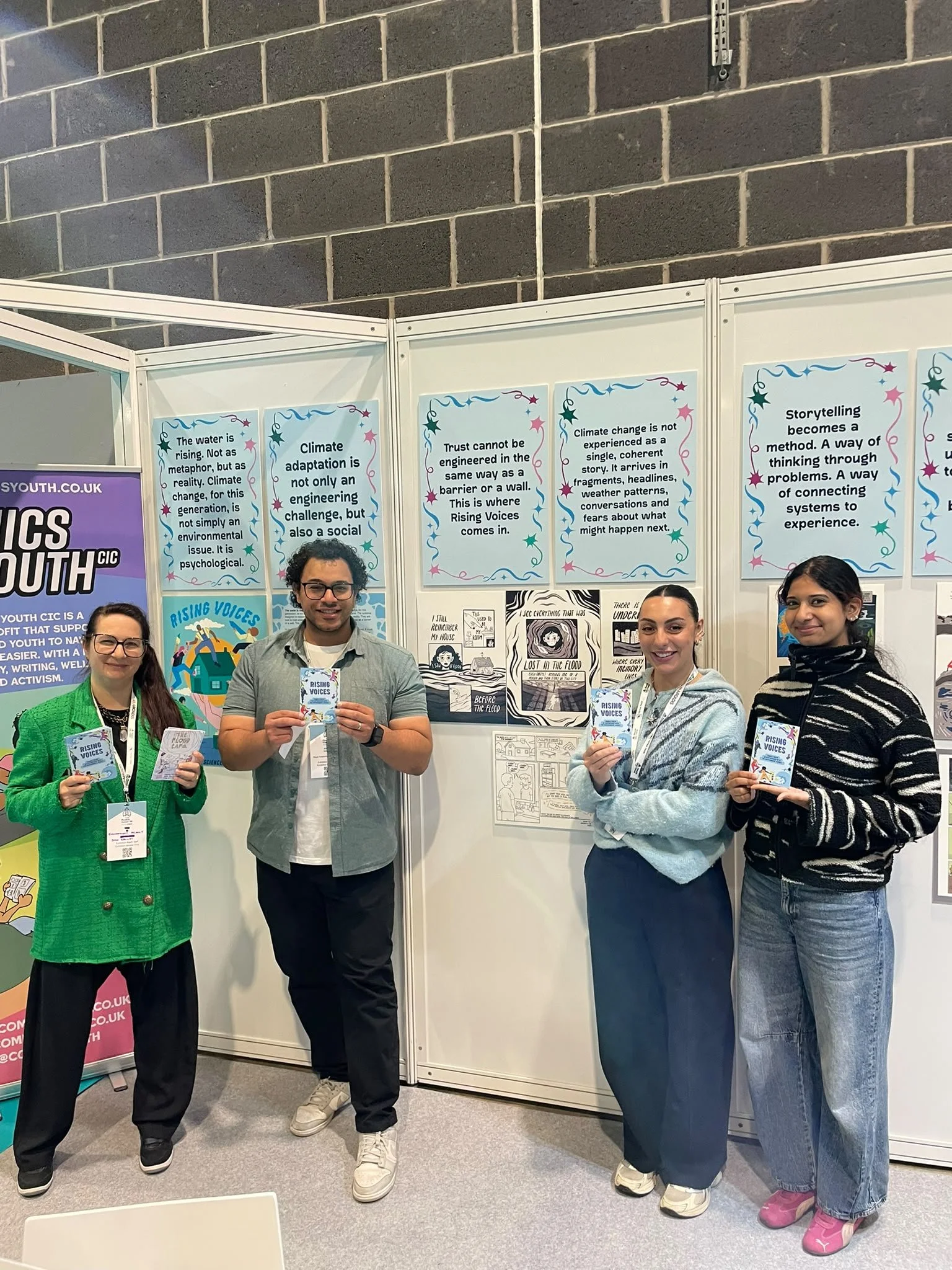
Taking Rising Voices into the wider sector
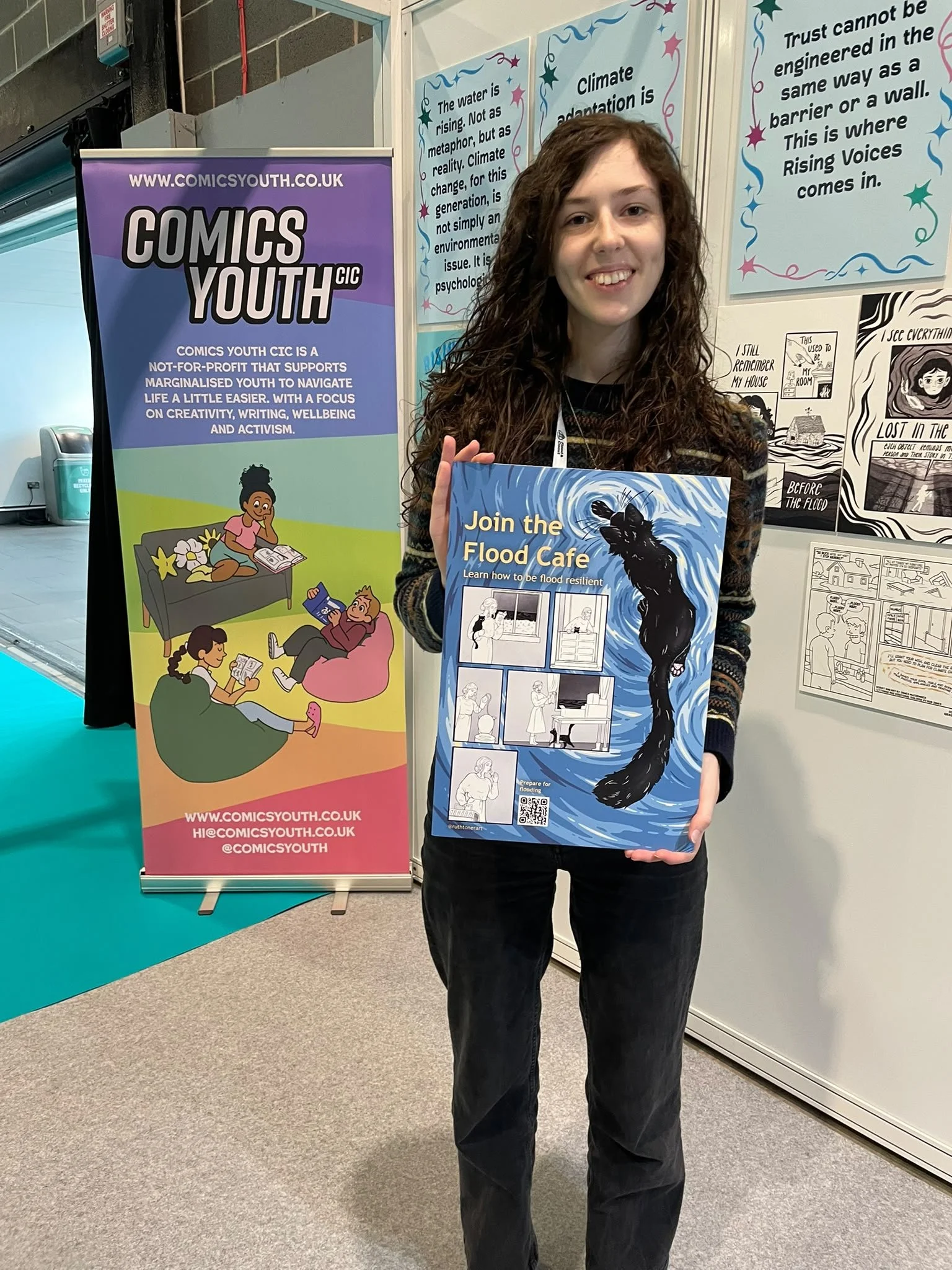
Comics Youth and Environment Agency colleagues together at Flood & Coast 2026 in Liverpool, where Rising Voices brought young people’s creative responses to flooding and climate resilience into a wider professional conversation.
Rising Voices travelled into Flood & Coast 2026 in Liverpool, taking work created between young artists and Environment Agency engineers into a major professional environment for people working across flooding, coastal erosion and climate resilience.
That movement matters.
The work was no longer circulating only within a youth programme or being presented back to the people who had already participated. It had moved into a space where the systems, infrastructure and professional practice explored through Rising Voices were being discussed by the people working within them.
The comics did not suddenly become policy.
We shouldn't pretend they did.
BUT THEY ENTERED THE ROOM.
And with them came young people's questions, interpretations, lived experiences and ways of making sense of climate resilience.
Creative knowledge sat alongside technical and professional knowledge. Questions generated through youth work entered a wider sector conversation. Perspectives that might ordinarily be contained within a participation project became visible in a space where professional knowledge is exchanged and future practice is shaped.
That does not, by itself, constitute influence.
But it begins to create the conditions for it.
Because if young people's knowledge is going to contribute to systems change, it cannot remain contained within spaces labelled “youth engagement.” It needs routes into the wider conversations, relationships and institutions through which sectors understand problems and decide what happens next.
Flood & Coast represented one of those routes.
The boundary between youth participation and the “real” sector conversation became a little less fixed — because young people's knowledge was already part of the conversation.
WHAT ARE WE LEARNING?
Rising Voices has given us a practical way to examine a much bigger question: what needs to change for young people’s knowledge and lived experience to have meaningful routes into the institutions and systems shaping their futures?
The project has shown us that creating opportunities for participation is only one part of that challenge. Systems are shaped by who has access to them, which forms of knowledge are recognised, how information moves, where decisions are made, and whether institutions have the relationships and infrastructure needed to listen, respond and adapt. Creating a space where young people and professionals can meet differently can begin to disrupt some of those boundaries — but meaningful systems change requires what emerges from those relationships to travel further.
That shifts our focus from simply asking whether young people were heard to asking what happened because they were there. Did new knowledge enter the system? Did it reach people with the ability to act on it? Did professional thinking or practice adapt? Were relationships sustained? And could young people see a line between their contribution and what happened next?
Rising Voices does not claim to have answered all of those questions. Instead, it has helped us identify where the deeper work lies: building lasting bridges between communities and institutions, creating routes for different forms of expertise to influence practice, and developing the feedback loops that turn participation from a moment into an ongoing relationship.
For Comics Youth, that is where creative practice and systems change begin to meet. The work is not only about creating more opportunities for young people to speak. It is about changing the conditions around who gets heard, where their ideas can travel, and how institutions respond when they arrive.
ACCESS IS MORE THAN AVAILABILITY.
Information can be publicly available and still remain difficult to understand, navigate or act upon. The same is true of institutions themselves: opening a consultation, publishing a report or inviting participation does not automatically make a system accessible to the people it wants to reach.
Rising Voices has reinforced the importance of thinking about access as a relationship between information, culture, language, format, trust and place. Creative practice can create additional routes into complex subjects without removing their complexity — allowing people to encounter information differently, question it and connect it to their own lives.
The systems challenge is not simply making information available. It is creating multiple meaningful ways for people to enter, understand and respond to it.
SYSTEMS NEED DIFFERENT FORMS OF EXPERTISE.
Institutions understandably rely on technical and professional expertise. But complex social and environmental challenges cannot be understood through one form of knowledge alone.
Young people bring lived experience. Communities hold knowledge of place. Creative practitioners see patterns and possibilities differently. Professionals understand infrastructure, policy and technical systems. Each reveals something the others may not see.
Rising Voices has strengthened our belief that the question should not be which form of expertise matters most, but whether our systems are capable of recognising different forms of knowledge and creating places where they can meaningfully interact.
Because when different expertise meets, different problems — and different possibilities — become visible.
PARTICIPATION HAS TO BE RECIPROCAL.
Too often, participation focuses on what needs to change for young people to engage with institutions: increasing their confidence, developing their skills, explaining professional language or helping them understand how systems work.
Those things can be valuable. But they place the responsibility for crossing the gap largely with young people.
Rising Voices suggests a more reciprocal model. Young people can learn from professionals, while professionals and institutions remain open to learning from young people. Both can encounter different perspectives, question assumptions and adapt how they communicate and work.
If only the participant is expected to change, we haven't changed the relationship.
TRUST IS PART OF THE INFRASTRUCTURE.
Institutions often need relationships with communities at particular moments: when developing a strategy, responding to an issue, consulting on a decision or delivering a programme.
But meaningful relationships cannot always be created at the point they are suddenly required.
Trust is built through consistency, repeated contact, transparency and what happens after somebody contributes. It depends on people believing that their time and knowledge will be treated with care — and that the relationship will not disappear as soon as the consultation or funding period ends.
That makes trust more than a desirable outcome of engagement.
Trust is infrastructure: something systems need to invest in before they need to rely on it.
CREATIVITY CAN BE INFRASTRUCTURE TOO.
Creative practice is often treated as an output: the exhibition, publication, film or artwork produced once the important work has happened.
Rising Voices has reinforced something different for us.
Creativity can be part of the infrastructure through which people build relationships, exchange knowledge and make sense of complexity together. It can create common ground between people who use different professional and cultural languages, make invisible systems visible, surface questions conventional engagement might miss, and provide space to imagine alternatives before anyone knows exactly what the answer should be.
The creative work isn't simply evidence that participation happened. It can be part of the mechanism that makes meaningful participation possible.
PARTICIPATION NEEDS PATHWAYS TO INFLUENCE.
Creating opportunities for young people to contribute matters. But having a voice, being heard and having influence are not the same thing.
For participation to become meaningful within a system, there needs to be somewhere for that contribution to go. Young people's knowledge needs routes beyond the workshop, consultation or creative project — into the relationships, professional practices, organisational processes and decision-making spaces that shape what happens next.
That means thinking about the infrastructure around participation. Who receives what young people contribute? Who carries it forward? Where does it enter the organisation? Who has the power to respond or act? And how does that response travel back to the young people who gave their time, knowledge and experience in the first place?
Without those pathways, participation risks becoming a destination in itself: young people contribute, organisations listen, projects end — but the system around them remains largely unchanged.
For us, the deeper challenge is not simply creating more opportunities for young people to speak. It is building clearer routes through which their knowledge can travel, stronger feedback loops that show what happened next, and institutional structures capable of retaining and responding to what they heard.
Voice creates the possibility of being heard. Participation creates a relationship. Influence requires somewhere for that relationship — and the knowledge created through it — to go.
WHAT HAPPENS NEXT MATTERS.
Rising Voices began with a relatively simple proposition: bring young artists and engineers together and use comics to explore flooding, climate change and resilience.
What emerged was a much bigger enquiry into how young people and institutions relate to one another.
We saw creative practice create common ground between people who might otherwise never meet. We saw technical expertise, lived experience and creative knowledge generate different questions when brought together. We saw relationships develop between young people and professionals, and we saw the work created through those relationships begin to travel — from youth and community spaces into wider environmental and professional conversations.
That matters. But it has also made the limits of project-based participation much clearer.
VISIBILITY ISN'T THE SAME AS INFLUENCE.
There is value in a young person's work entering a professional space. There is value in an engineer spending meaningful time creating alongside a young person. There is value in an institution opening itself to different forms of knowledge, and in a specialist youth organisation creating the conditions in which those relationships can develop.
But none of those things, on their own, demonstrate systems change.
The harder question is what happens after the relationship has been created.
If we want young people to contribute meaningfully to the systems shaping their futures, participation needs infrastructure around it. Relationships need ways to continue beyond individual projects. Learning needs mechanisms for travelling through organisations rather than remaining with the individual professionals who took part. Ideas need routes towards the people, processes and decisions capable of acting on them. And young people need feedback loops that allow them to see where their contribution went and what happened next.
That shifts the challenge from delivering more engagement to asking how institutions can retain, respond to and act on what participation produces.
For Comics Youth, this is the next frontier of the work. We are interested in how trusted youth organisations can become part of the connective infrastructure between young people and institutions: sustaining relationships over time, helping different forms of knowledge travel across organisational boundaries, and creating clearer pathways from participation to influence.
Rising Voices cannot answer that challenge alone, and we don't claim that it has changed a system simply because meaningful participation took place.
What it has given us is something important: a practical model to build from, evidence about the conditions that make these relationships possible, and a much clearer understanding of what needs to happen next.
The next question is no longer simply how we create opportunities for young people and institutions to meet.
It is how we build the structures that allow what happens between them to endure, travel and influence what comes next.
They're the questions Rising Voices has made it impossible for us to ignore.
THIS IS CREATIVE IMPACT.
At Comics Youth, making brilliant creative work with young people has never been the end point.
We're interested in what that work can do, where it can travel, who encounters it — and what becomes possible when it gets there.
A comic can move into a community and create a conversation that wasn't happening before. A young person's artwork can enter a cultural institution and challenge whose knowledge is given space. A publication can travel into a professional network and make lived experience visible alongside technical expertise. A creative project can bring young people into sustained relationships with organisations that hold knowledge, resources and decision-making power.
And those encounters can create new routes for ideas to travel.
That is what Creative Impact means to us.
It is the work of connecting creative practice to something bigger: relationships, institutions, public conversations, professional practice and, ultimately, the systems that shape young people's lives.
We don't believe that a comic, film, exhibition or anthology changes a system simply by existing.
But we do believe creativity can change who gets to enter the conversation, whose knowledge becomes visible, which relationships become possible and what questions institutions begin to ask.
The creative work matters.
What happens because of it matters even more.
WE BELIEVE CREATIVITY CAN CHANGE WHO GETS TO ENTER THE CONVERSATION, HOW THAT CONVERSATION HAPPENS AND WHAT BECOMES POSSIBLE ONCE PEOPLE ARE THERE.
Rising Voices is one example of us testing that idea in practice.
WE MAKE THE WORK.
WE MOVE THE WORK.
WE ASK WHAT CHANGES.
MADE TOGETHER.
Rising Voices was developed by Comics Youth and the Environment Agency, bringing young creatives and engineers together to explore flooding, climate change and resilience through creative practice.
The project was kickstarted through an Ingenious public engagement grant from the Royal Academy of Engineering, with support from the Department for Science, Innovation and Technology and the Environment Agency Sustainability Innovation Fund.
With facilitation and evaluation support from Simon Wilson at Wilson Sherriff.
With contributions from collaborators including Mary Long-Dhonau (Flood Mary) and Gabi Putnoki (Graphic Novel Reading Room).
Lead Comics Youth artist and youth worker
Rosa Kusabbi
Film
Mairéad Ruane